Spicy Drunken Noodles Recipe-Flavorful Thai Stir-fry
Drunken noodles, or Pad Kee Mao as it’s known in Thailand, are more than just a stir-fry; they’re an experience. What is it about this dish that makes it so utterly captivating? Perhaps it’s the symphony of textures: the satisfying chew of wide rice noodles, the crisp bite of fresh vegetables, and the tender succulence of your chosen protein. Or maybe it’s the bold, unapologetic flavor profile – a perfect dance between savory, spicy, and a hint of sweetness. The magic of drunken noodles lies in its vibrant, complex sauce, often featuring ingredients like Thai basil, chili peppers, garlic, and soy sauce, creating an aromatic explosion that awakens the senses. It’s this exhilarating blend of heat, umami, and freshness that has cemented drunken noodles as a beloved favorite worldwide, a dish that promises a truly memorable culinary adventure with every forkful.
Drunken Noodles: A Flavor Explosion You Won’t Forget
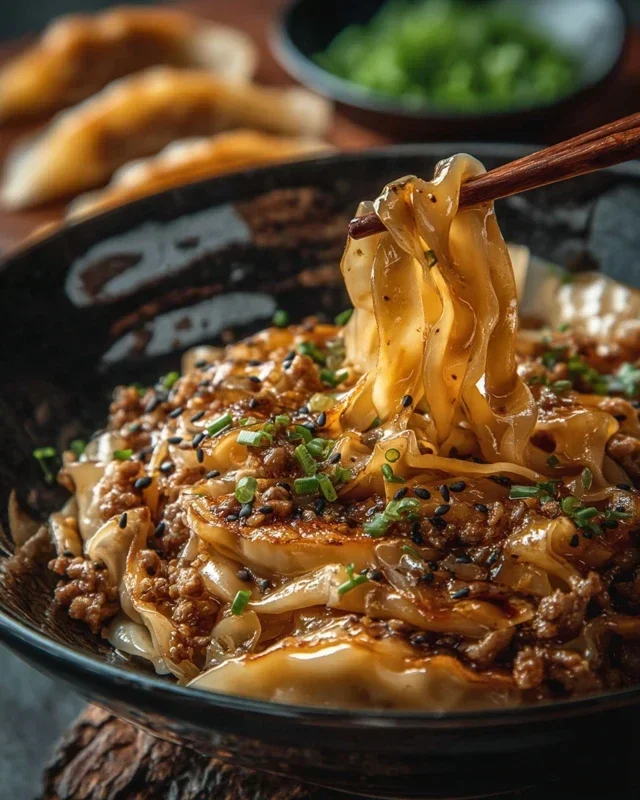
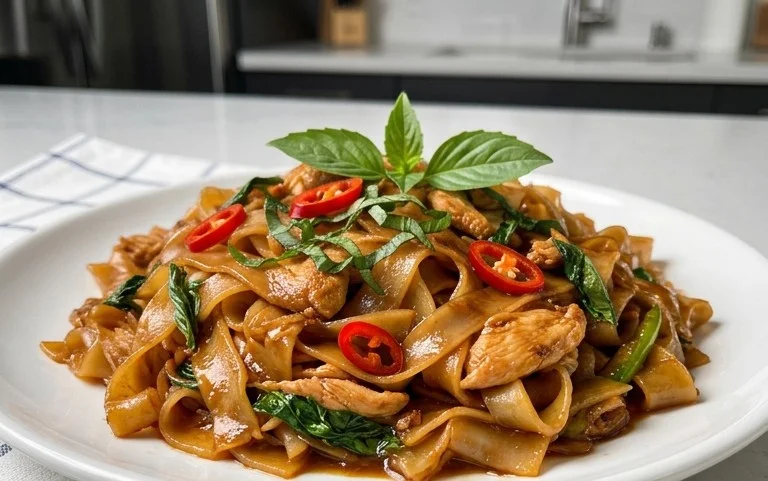
Get ready to embark on a culinary adventure that will tantalize your taste buds! Drunken Noodles, or Pad Kee Mao as it’s known in Thailand, is a stir-fry dish that’s bold, aromatic, and incredibly satisfying. The name itself evokes a sense of indulgence, and trust me, this dish lives up to the hype. It’s a symphony of savory, spicy, and slightly sweet notes, all clingin extractg to perfectly cooked wide rice noodles.
The magic of Drunken Noodles lies in its simplicity and the power of fresh ingredients. We’re talking about tender chicken, crisp vegetables, fragrant aromatics, and of course, that iconic holy basil. Don’t be intimidated by the “drunken” moniker; it simply refers to the dish’s robust flavors that are said to be the perfect accompaniment to a cold beverage. So, let’s get cooking and create some magic in your kitchen!
Ingredients:
Preparing Your Ingredients
Before we dive into the actual cooking, it’s crucial to have everything prepped and ready to go. Stir-frying is a fast-paced process, so having all your ingredients measured, chopped, and within reach will make the entire experience much smoother and more enjoyable.
First, let’s prepare the noodles. If you’re using dried wide rice noodles, you’ll need to rehydrate them. Follow the package instructions carefully, as they can vary. Generally, you’ll soak them in hot water for about 10-15 minutes until they are pliable but still have a slight bite (al dente). Once they’re ready, drain them thoroughly and toss them with a tiny bit of oil to prevent them from sticking together.
Next, prepare your chicken. If you’re using chicken thighs, trim any excess fat and cut them into bite-sized pieces. If you opt for chicken breast, slice it thinly against the grain. Marinate the chicken with 1 teaspoon of soy sauce and set it aside. This will add a subtle layer of flavor and help tenderize the meat.
Now for the aromatics and vegetables. Mince your garlic finely. Slice your onion into thin, half-moon shapes. For the Thai red chili peppers, you can finely chop them or leave them whole if you prefer less intense heat (though chopped will release more flavor and spice). Wash your baby bok choy and separate the leaves from the stems. Chop the stems into bite-sized pieces and roughly chop the leaves. Separate the white and green parts of your green onion, and slice them thinly. Finally, give your holy basil a quick rinse.
Crafting the Drunken Noodle Sauce
The heart of any great stir-fry is its sauce, and Drunken Noodles is no exception. In a small bowl, whisk together the 3 teaspoons of soy sauce, 1.5 teaspoons of dark soy sauce, 2 teaspoons of oyster sauce, 1 tablespoon + 1 teaspoon of fish sauce, and 2 teaspoons of brown sugar. This potent combination will provide that signature savory, sweet, and deeply umami flavor profile that makes Drunken Noodles so addictive. The dark soy sauce adds a beautiful color and a subtle molasses-like sweetness, while the fish sauce brings that essential salty depth. The brown sugar balances the savory elements, creating a well-rounded sauce.
The Stir-Fry Process: A Step-by-Step Guide
Now that all your ingredients are prepped and your sauce is ready, it’s time to bring it all together in a hot wok or large skillet. The key to a successful stir-fry is high heat and quick cooking.
1. Searing the Chicken: Heat 1.5 tablespoons of vegetable or canola oil in your wok or skillet over medium-high heat until shimmering. Add the marinated chicken and stir-fry until it’s cooked through and lightly browned on all sides. This should take about 3-5 minutes. Once cooked, remove the chicken from the wok and set it aside. This step ensures the chicken is perfectly cooked before the noodles are added, preventing it from becoming overcooked and tough.
2. Aromatics and Spice: Add the remaining 1.5 tablespoons of vegetable or canola oil to the wok. Add the minced garlic, sliced onion, and chopped Thai red chili peppers. Stir-fry for about 1 minute until fragrant, being careful not to burn the garlic. The aroma that fills your kitchen at this stage is incredible! The chilies will start to release their heat, infusing the oil with their spicy essence.
3. Adding the Vegetables: Introduce the chopped bok choy stems to the wok and stir-fry for another 1-2 minutes until they begin extract to soften slightly. Then, add the bok choy leaves and the white parts of the green onion. Continue to stir-fry for another minute until the leaves are just wilted. We want the vegetables to be tender-crisp, not mushy.
4. Noodles and Sauce Unite: Now it’s time for the main event! Add the rehydrated rice noodles to the wok along with the cooked chicken. Pour the prepared Drunken Noodle sauce over everything. Toss and stir-fry vigorously for 2-3 minutes, ensuring the noodles are evenly coated with the sauce and that everything is heated through. The noodles will absorb the delicious flavors, and the sauce will thicken slightly.
5. The Final Flourish: Just before serving, add the holy basil leaves and the green parts of the green onion to the wok. Stir-fry for another 30 seconds to a minute, just until the basil wilts and becomes fragrant. The holy basil is the star aromatic here, its peppery, slightly anise-like flavor is what truly defines Drunken Noodles. Serve immediately while piping hot.
Enjoy your homemade Drunken Noodles! It’s a dish that’s bursting with flavor and incredibly satisfying. Perfect for a weeknight meal or a weekend treat, this recipe is sure to become a favorite.
Conclusion:
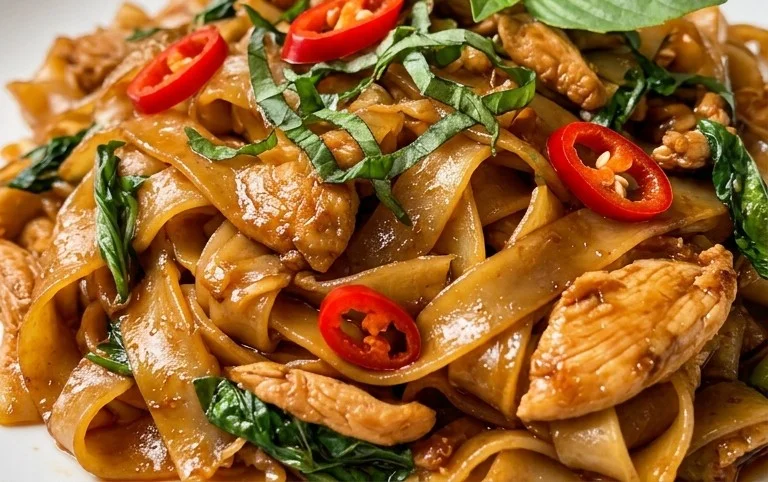
And there you have it – your guide to creating a sensational batch of Drunken Noodles! This recipe truly shines because it balances bold, savory flavors with a delightful chegrape juicess from the rice noodles, all coming together in under 30 minutes. It’s the perfect weeknight meal when you crave something exciting and satisfying without spending hours in the kitchen. The non-intoxicating aroma as it cooks is just the begin extractning of this culinary adventure. Whether you’re a seasoned cook or just starting out, this dish is incredibly forgiving and adaptable, making it a guaranteed crowd-pleaser.
For serving, I love to pile it high in a bowl and garnish generously with fresh cilantro, a squeeze of lime, and perhaps some crushed peanuts for extra crunch. It also pairs beautifully with a crisp, cold non-alcoholic beer – hence the name, of course! If you’re feeling adventurous, consider swapping out the protein for shrimp or tofu, or adding a medley of your favorite vegetables like broccoli florets or snap peas. The possibilities are truly endless. I wholeheartedly encourage you to give these Drunken Noodles a try; I’m confident you’ll be hooked!
Frequently Asked Questions:
Q: How spicy are Drunken Noodles traditionally?
The “drunken” in Drunken Noodles doesn’t refer to intoxication but rather the intensity of flavor and, often, the heat. While recipes can vary, they are typically known for a pleasant kick. You can easily control the spice level by adjusting the amount of chili peppers or chili paste you add. If you prefer it milder, start with less and add more to taste.
Q: What kind of noodles are best for Drunken Noodles?
The most traditional and arguably best choice for authentic Drunken Noodles are wide, flat rice noodles (sen yai). Their chewy texture and ability to soak up the delicious sauce are unparalleled. However, if you can’t find them, you can also use other types of flat rice noodles or even linguine in a pinch, though the texture will be slightly different.
Q: Can I make Drunken Noodles vegetarian or vegan?
Absolutely! To make these Drunken Noodles vegetarian or vegan, simply omit the meat and use a plant-based protein like firm tofu or tempeh. Ensure your oyster sauce is replaced with a vegan alternative (often mushroom-based) or simply increase the soy sauce and add a touch of vegetarian stir-fry sauce for depth. This makes for a wonderfully flavorful and satisfying meat-free meal.
Drunken Noodles (Pad Kee Mao)
A popular Thai stir-fried noodle dish with a savory, spicy, and slightly sweet flavor profile, often featuring wide rice noodles and a variety of aromatics.
Ingredients
-
250 grams medium wide rice noodles (dried)
-
250 grams chicken thighs or chicken breast
-
1 teaspoon soy sauce
-
3 tablespoons vegetable or canola oil (divided)
-
1 tablespoons minced garlic
-
1/2 onion (sliced)
-
2-3 Thai red chili peppers
-
4-5 Baby bok choy
-
1 cup Holy basil
-
1 Green Onion (White and green parts separate)
-
3 teaspoons soy sauce
-
1.5 teaspoon dark soy sauce
-
2 teaspoons oyster sauce
-
1 tablespoon + 1 teaspoon fish sauce
-
2 teaspoons brown sugar
Instructions
-
Step 1
Soak the dried rice noodles in hot water until pliable but not mushy. Drain and set aside. -
Step 2
Slice the chicken thinly. In a bowl, toss the chicken with 1 teaspoon soy sauce and 1 tablespoon of the vegetable oil. Let it marinate for at least 10 minutes. -
Step 3
Prepare the sauce: In a small bowl, whisk together 3 teaspoons soy sauce, 1.5 teaspoon dark soy sauce, 2 teaspoons oyster sauce, 1 tablespoon + 1 teaspoon fish sauce, and 2 teaspoons brown sugar. -
Step 4
Heat 2 tablespoons of vegetable oil in a wok or large skillet over high heat. Add the minced garlic and sliced Thai red chilies and stir-fry until fragrant (about 30 seconds). -
Step 5
Add the marinated chicken to the wok and stir-fry until cooked through. Remove the chicken from the wok and set aside. -
Step 6
Add the sliced onion to the wok and stir-fry for 1-2 minutes until softened. Add the baby bok choy and stir-fry for another minute until slightly wilted. -
Step 7
Add the drained rice noodles and the cooked chicken back to the wok. Pour the prepared sauce over the noodles and stir-fry vigorously until everything is well combined and the noodles are heated through. -
Step 8
Stir in the holy basil and the white parts of the green onion. Cook for another 30 seconds until the basil is wilted. -
Step 9
Serve immediately, garnished with the green parts of the green onion.
Important Information
Nutrition Facts (Per Serving)
It is important to consider this information as approximate and not to use it as definitive health advice.
Allergy Information
Please check ingredients for potential allergens and consult a health professional if in doubt.