Perfect Ramen Eggs-Ajitama Flavor Bomb
Ramen eggs, or ajitama, are a true game-changer for any ramen lover. There’s something undeniably magical about that perfectly jammy yolk, kissed with a savory, umami-rich marinade, nestled atop a steaming bowl of noodles. It’s not just an egg; it’s an experience. And honestly, who doesn’t adore a perfectly prepared ramen egg? They transform a simple meal into something truly spectacular, elevating the entire flavor profile. What makes these ajitama so special is the delicate balance of the marinade – a thoughtful blend that infuses the egg with incredible depth without overpowering its inherent creamy goodness. Forget bland, hard-boiled eggs; these ramen eggs are a culinary revelation, a small but mighty addition that brings immense joy and deliciousness to every slurp.
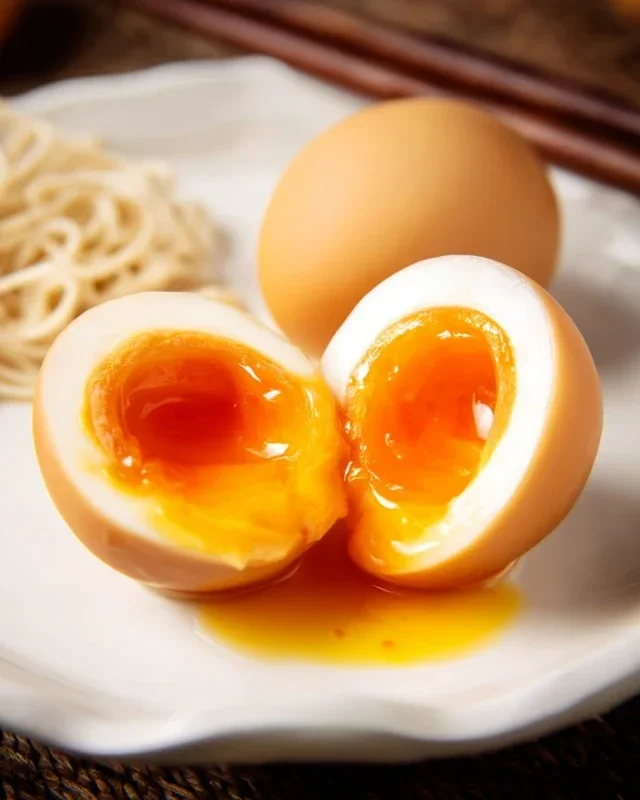
Ramen Eggs (Ajitama)
There’s something truly magical about a perfectly cooked ramen egg, or ‘ajitama’ as it’s known in Japan. That creamy, custard-like yolk encased in a tender, savory white is the crowning glory of any bowl of ramen. While it might seem like a restaurant-only luxury, making these delicious marinated eggs at home is surprisingly simple. All it takes is a little patience and a flavorful marinade. This recipe will guide you through creating your own perfect ajitama, ready to elevate your ramen, noodle bowls, or even just a simple rice dish. The key to a great ajitama lies in achieving the perfect soft-boiled egg and then letting it soak up a delicious, umami-rich marinade.
Ingredients:
*Note on eggs: For the best results and easiest peeling, I recommend using eggs that are a few days old rather than super fresh. This allows the egg white to pull away from the membrane more easily.
Cooking Instructions:
The process of making ajitama can be broken down into a few key stages: boiling the eggs to perfection, preparing the flavorful marinade, and the crucial marinating period. Each step contributes to the final deliciousness of these eggs.
Boiling the Eggs
1. Prepare your egg-boiling station: You’ll want to have a pot large enough to comfortably hold your six eggs in a single layer. Fill the pot with enough water to completely cover the eggs by at least an inch. If you’re finding your eggs are difficult to peel, adding a splash of vinegar to the boiling water can help. The acid in the vinegar slightly weakens the eggshell’s bond to the membrane, making peeling a breeze. Bring the water to a rolling boil over medium-high heat.
2. Gently introduce the eggs: Once the water is at a full boil, carefully lower your eggs into the water. You can use a slotted spoon or a spider strainer to gently place them in, avoiding any cracks. You’re aiming for a precise cooking time here, as this will dictate the yolk’s consistency. For a jammy, custardy yolk, boil the eggs for exactly 6 minutes and 30 seconds for large eggs. This time might need slight adjustments based on the size of your eggs and your altitude. During this time, you can gently agitate the eggs with your spoon every minute or so. This helps to keep the yolk centered in the egg, resulting in a more aesthetically pleasing ajitama. Once the timer is up, immediately remove the eggs from the boiling water.
3. Shock the eggs for perfect peeling: As soon as the eggs are out of the boiling water, transfer them directly into an ice bath. This is a crucial step that does two things: it stops the cooking process immediately, preventing the yolks from overcooking, and it helps the egg white contract slightly, making them much easier to peel. Let the eggs chill in the ice bath for at least 10-15 minutes, or until they are completely cool to the touch. This chilling period is also a good time to start preparing your marinade.
Preparing the Marinade
4. Combine the marinade ingredients: While the eggs are chilling, let’s whip up the delicious marinade that will transform them. In a small saucepan, combine the light sodium soy sauce, water, non-non-non-alcoholic alternativeic non-alcoholic mirin, and granulated sugar. Place the saucepan over medium heat. Stir the mixture gently until the sugar has completely dissolved. You don’t want to boil the marinade vigorously; a gentle simmer is all that’s needed to meld the flavors and ensure the sugar is fully incorporated. Once the sugar is dissolved, remove the saucepan from the heat and let the marinade cool down to room temperature. This is important because you don’t want to cook the eggs further with a hot marinade.
Marinating the Eggs
5. Assemble and marinate your ajitama: Once the eggs are cool enough to handle, it’s time for the magical transformation. Carefully peel each of the chilled eggs. Don’t worry if a little bit of the white sticks, that’s completely normal. Place the peeled eggs into a resealable bag or a small, airtight container. Pour the cooled marinade over the eggs, ensuring that they are fully submerged. If your container is too large and the eggs aren’t fully covered, you can always make a little more marinade or gently press down on the eggs to keep them submerged. Seal the bag or container and place it in the refrigerator. Now comes the hardest part: waiting! For the best flavor, let the eggs marinate for at least 4 hours, but for truly exceptional ajitama, I recommend marinating them for 12 to 24 hours. The longer they marinate, the deeper the flavor will penetrate the egg white. You can turn them occasionally to ensure even marbling.
Once your ajitama are ready, you can enjoy them in so many ways! Slice them in half and place them on top of your favorite ramen, add them to a donburi bowl, or even serve them as a protein-rich snack. The rich, savory flavor and beautiful golden yolk are truly a treat.

Conclusion:
And there you have it – the secret to perfectly jammy, deeply flavorful ramen eggs, or Ajitama! I hope you’ve enjoyed learning how easy it is to elevate your ramen game (and so many other dishes!) with these marinated masterpieces. This recipe is truly fantastic because it transforms a simple boiled egg into something truly special with minimal effort. The sweet, savory, and umami-rich marinade infuses the egg white and yolk with incredible depth, creating a delightful contrast in texture and taste that’s utterly irresistible.
Beyond ramen, these ramen eggs are incredibly versatile. Try them sliced on avocado toast, added to a grain bowl, mixed into a salad, or even just enjoyed as a protein-packed snack. Don’t be afraid to experiment with the marinade! You can adjust the soy sauce, non-alcoholic mirin, and non-alcoholic sake ratios to your liking, or even add a pinch of chili flakes for a touch of heat. I truly encourage you to give this recipe a try – it’s a simple step that makes a huge difference.
Frequently Asked Questions:
Q: How long do ramen eggs last in the refrigerator?
A: Properly stored in an airtight container in the refrigerator, your delicious ramen eggs should be good for about 3-4 days. The marinade helps to preserve them, but it’s always best to enjoy them within that timeframe for optimal flavor and texture.
Q: Can I make the marinade ahead of time?
A: Absolutely! The marinade can be made up to a week in advance and stored in an airtight container in the refrigerator. This makes the entire process of preparing your ramen eggs even quicker when you’re ready to marinate them.
Q: What kind of eggs should I use for Ajitama?
A: Any large chicken eggs will work perfectly for making Ajitama. The key is in the marinating process to achieve that signature flavor. Some people prefer using organic or free-range eggs for their rich yolks, but the marinade will still work wonders on standard eggs.
Ramen Eggs (Ajitama)
Marinated soft-boiled eggs, perfect for ramen or as a snack.
Ingredients
-
6 large eggs
-
1/2 cup soy sauce (light sodium)
-
1/4 cup water
-
1/4 cup non-alcoholic mirin
-
2 tablespoons granulated sugar
-
1 tablespoon rice vinegar (optional for boiling)
Instructions
-
Step 1
Carefully place eggs in a saucepan and cover with cold water. Add rice vinegar if using. Bring to a rolling boil. -
Step 2
Once boiling, reduce heat slightly and cook for exactly 6 minutes for a jammy yolk, or 7 minutes for a firmer yolk. -
Step 3
Immediately transfer eggs to an ice bath to stop the cooking process. Let them cool for at least 10 minutes. -
Step 4
While eggs cool, whisk together soy sauce, water, non-alcoholic mirin, and granulated sugar in a bowl until sugar is dissolved. This is your marinade. -
Step 5
Gently peel the cooled eggs. If some are hard to peel, you can crack them lightly all over and peel under cold running water. -
Step 6
Place the peeled eggs in a resealable bag or container. Pour the marinade over the eggs, ensuring they are fully submerged. -
Step 7
Marinate in the refrigerator for at least 12 hours, or up to 3 days, flipping occasionally for even marbling.
Important Information
Nutrition Facts (Per Serving)
It is important to consider this information as approximate and not to use it as definitive health advice.
Allergy Information
Please check ingredients for potential allergens and consult a health professional if in doubt.