Easily Freeze Peaches – Preserve Summer’s Best
Freezing peaches is one of the most rewarding kitchen skills you can master, especially when peach season hits its peak! I’m always so excited when those fuzzy, fragrant fruits start appearing in abundance. There’s something incredibly satisfying about being able to capture that sun-kissed sweetness and juicy perfection for months to come. Why do we love peaches so much? They’re a taste of summer, a versatile fruit perfect for pies, cobblers, smoothies, or simply enjoyed straight from the bowl. But the real magic of freezing peaches lies in its simplicity and the incredible payoff. This method ensures you’ll have delicious, perfectly preserved peaches ready to transform your favorite recipes all year round, without any fuss.
Why This Method Shines
Effortless Preservation
Freezing Peaches: How to Easily Freeze Peaches
There’s nothing quite like the taste of fresh, ripe peaches. Whether you’re craving a slice in your morning oatmeal, a sweet addition to a smoothie, or want to bake a delicious cobbler long after peach season has ended, freezing is the perfect way to preserve that summer sweetness. It’s a surprisingly simple process, and with a few key ingredients and steps, you can have a freezer full of perfect peaches ready for any culinary adventure. Let’s dive into how you can easily freeze peaches to enjoy them year-round.
Ingredients:
Preparing Your Peaches for Freezing
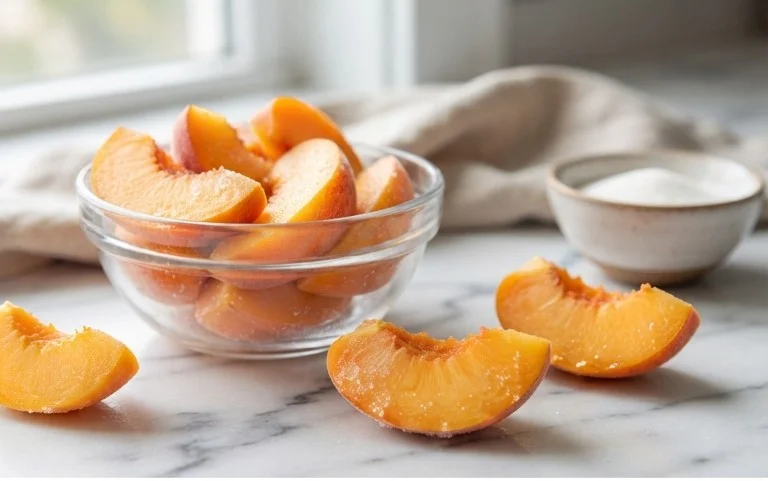
The first and most crucial step in freezing peaches is selecting the right fruit. You want peaches that are ripe but still firm. Overly ripe peaches will become mushy when frozen, and underripe peaches won’t have the same sweetness and flavor. For this recipe, we’re aiming for about 1 quart of prepared peach slices, which translates to roughly 4-6 medium to large peaches.
Washing and Peeling
Begin extract by thoroughly washing your peaches under cool running water. This helps remove any dirt or residue. Now, for the peeling. While some people prefer to leave the skins on, I find that removing them results in a more pleasant texture once thawed. The easiest way to peel ripe peaches is to blanch them. Bring a pot of water to a rolling boil. Have a large bowl of ice water ready nearby. Carefully drop the peaches into the boiling water for about 30-60 seconds, just until you see the skins starting to loosen. Immediately transfer them to the ice bath. This sudden temperature change makes the skins slip right off. You might need to use a small paring knife to help get started, but they should peel away easily.
Pitting and Slicing
Once peeled, gently cut the peaches in half along the natural seam. Twist the halves to separate them and then carefully remove the pit. You can use a small spoon or a paring knife for this. For freezing, it’s best to slice the peaches into uniform pieces. Aim for slices about 1/2 inch thick. This ensures even freezing and easier portioning later on. Try to keep the slices as consistent as possible.
The Freezing Process: Sweetening and Protecting
Now that your peaches are prepped, it’s time to add the elements that will help preserve their flavor and prevent browning.
Adding the Sugar and Fruit Protector
This is where our simple ingredients come into play. The sugar not only adds a touch of sweetness but also helps to draw out some of the peach’s natural juices, creating a syrup-like consistency as they freeze. The Fruit Protector is a fantastic tool for preventing oxidation, which can cause your beautiful peach slices to turn brown and unappetizing in the freezer.
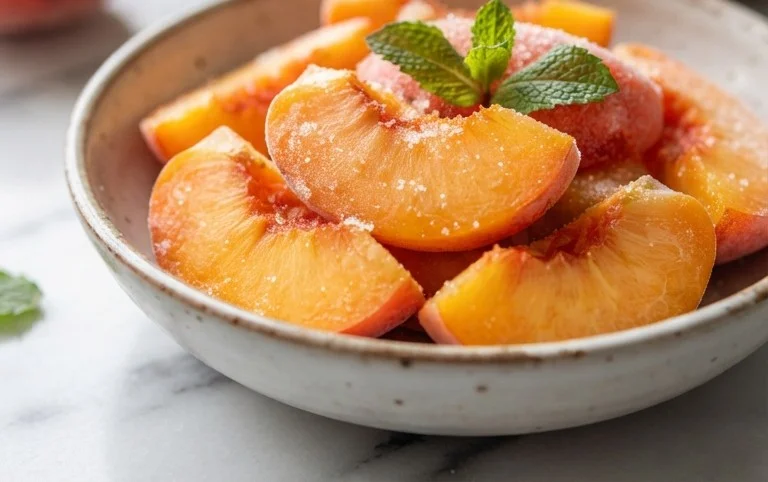
In a large bowl, gently combine your sliced peaches, sugar, and Fruit Protector. I like to use a rubber spatula or my hands to gently toss everything together. Be careful not to mash the peaches; you want to coat them evenly. The Fruit Protector is often in powdered form, so a gentle toss ensures it distributes well. Let this mixture sit for about 10-15 minutes, stirring occasionally. You’ll notice that the sugar starts to dissolve, and a light syrup begin extracts to form. This brief maceration period further enhances the flavor and texture of the frozen peaches.
Packagin extractg for Long-Term Storage
Proper packagin extractg is key to preventing freezer burn and maintaining the quality of your frozen peaches.
Portioning and Sealing
Once the peaches have had a chance to mingle with the sugar and Fruit Protector, it’s time to get them ready for their long nap in the freezer. I like to portion my peaches into amounts that I’ll likely use at once. This could be for a single smoothie, a serving of cobbler, or a breakfast topping. Using freezer bags is a very convenient option. If you’re using freezer bags, gently spoon the peach slices and any accumulated syrup into the bags, leaving about an inch of headspace at the top. This headspace is important because liquids expand when they freeze.
Before sealing the bags, press out as much air as possible. Air is the enemy of frozen food, leading to freezer burn and a decline in quality. You can do this by zipping the bag most of the way, then gently squeezing the air out through the remaining opening. Alternatively, you can use a straw to suck out the remaining air before sealing completely. For a more robust storage solution, consider using airtight freezer-safe containers. Fill them with the peach mixture, again leaving headspace, and seal them tightly.
Labeling and Freezing
Don’t forget to label your frozen peach packages! A simple label with the contents and the date is essential for keeping track of what’s in your freezer. This helps ensure you use your peaches within a reasonable timeframe, typically up to 8-12 months for the best quality. Once your bags or containers are senon-alcoholic aled and labeled, carefully place them in the freezer. Try to lay them flat initially until they are frozen solid. This helps prevent them from sticking together in a giant, unmanageable clump.
Enjoying your frozen peaches is as easy as pulling a bag or container from the freezer whenever a craving strikes. Thaw them overnight in the refrigerator, or use them directly in smoothies, baked goods, or cooked dishes where the cooking process will further thaw them. This simple method of freezing peaches ensures you can savor the taste of summer all year long.
Conclusion:
Freezing peaches is a fantastic way to capture the sweet, sun-ripened flavor of this delicious fruit for enjoyment year-round. As we’ve explored, this method is incredibly straightforward, requiring minimal effort for maximum reward. Whether you’re a seasoned baker or just starting out, you’ll find this technique incredibly accessible and satisfying. Imagin extracte opening your freezer in the depths of winter and pulling out perfectly preserved peaches, ready to be transformed into pies, cobblers, smoothies, or simply enjoyed as a delightful, healthy snack. The versatility of frozen peaches means your culinary creations are only limited by your imagin extractation!
Don’t hesitate to give freezing peaches a try. It’s a simple yet impactful way to reduce food waste and ensure you always have a taste of summer on hand. Experiment with different serving suggestions – they are wonderful stirred into yogurt, blended into refreshing sorbets, or even as a topping for pancakes and waffles. For a simple variation, consider freezing peach slices with a hint of lemon juice to maintain their vibrant color.
Frequently Asked Questions:
Can I freeze peaches without peeling them?
Yes, you absolutely can freeze peaches without peeling them. While some prefer to peel for a smoother texture in certain recipes, leaving the skin on is perfectly fine for most applications like smoothies or baked goods. The freezing process itself will soften the skins.
How long do frozen peaches last?
When properly stored in airtight containers or freezer bags, frozen peaches can maintain their quality for up to 10-12 months. For the best flavor and texture, it’s recommended to use them within a year.
What’s the best way to thaw frozen peaches?
The best way to thaw frozen peaches depends on your intended use. For smoothies or immediate baking, you can often use them directly from frozen. If you need them softer for pies or preserves, thaw them slowly in the refrigerator overnight. Avoid thawing at room temperature for extended periods to maintain quality and prevent spoilage.
Freezing Peaches, How to Easily Freeze Peaches
A simple and effective method for preserving fresh peaches by freezing them for later use.
Ingredients
-
1 quart fresh peaches, peeled, pitted, and sliced
-
2/3 cup granulated sugar
-
3 teaspoons fruit protector (e.g., ascorbic acid powder)
-
1 tablespoon lemon juice
-
1/4 teaspoon ground cinnamon
-
Pinch of ground nutmeg
Instructions
-
Step 1
Prepare the peaches: Wash, peel, pit, and slice the fresh peaches into desired sizes. Aim for uniform slices for even freezing. -
Step 2
Mix the sugar and fruit protector: In a large bowl, combine the granulated sugar and fruit protector. Stir well to ensure they are evenly distributed. -
Step 3
Coat the peaches: Add the sliced peaches to the sugar and fruit protector mixture. Gently toss to coat each peach slice evenly. This helps prevent browning and maintains texture. -
Step 4
Add optional flavorings: Stir in the lemon juice, ground cinnamon, and pinch of ground nutmeg. Toss again to distribute the flavors. -
Step 5
Pack for freezing: Arrange the coated peach slices in a single layer on a baking sheet lined with parchment paper. This prevents them from freezing into a solid block. -
Step 6
Pre-freeze: Place the baking sheet with peaches into the freezer for 2-3 hours, or until the slices are firm but not completely frozen. -
Step 7
Transfer to freezer containers: Once pre-frozen, transfer the peach slices into freezer-safe bags or containers. Remove as much air as possible before sealing. -
Step 8
Label and freeze: Label the containers with the date and contents. Store in the freezer for up to 10-12 months.
Important Information
Nutrition Facts (Per Serving)
It is important to consider this information as approximate and not to use it as definitive health advice.
Allergy Information
Please check ingredients for potential allergens and consult a health professional if in doubt.