Healthy Sautéed Vegetables Quick Flavorful Side
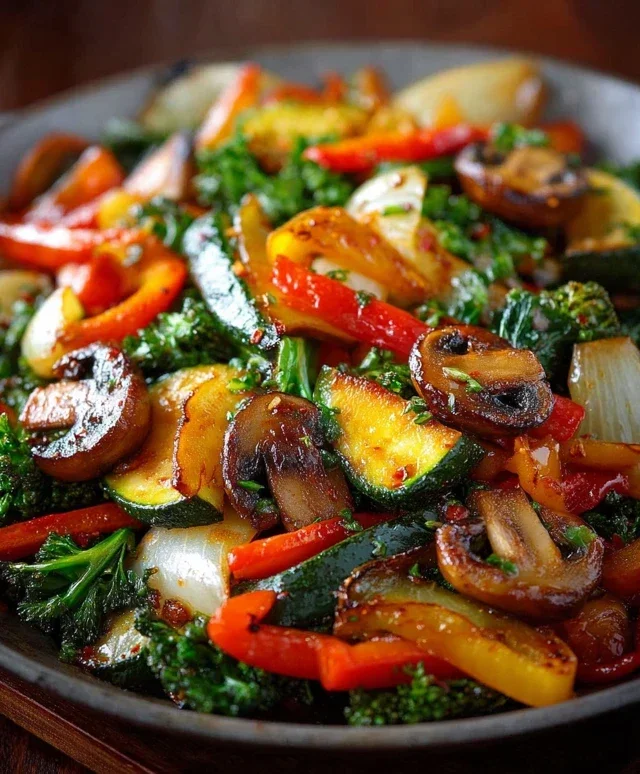
Healthy sautéed vegetables are an absolute weeknight superhero, and for good reason! If you’re anything like me, you’re always on the hunt for side dishes that are as delicious as they are good for you, and that can be whipped up in a flash. This recipe for healthy sautéed vegetables hits all those sweet spots. Forget bland, boring greens; this method transforms humble produce into a vibrant, flavorful explosion. What makes it so special? It’s the perfect marriage of simplicity and taste. The quick sauté locks in nutrients and a delightful crunch, while a few strategic seasonings elevate everyday veggies to something truly craveable. It’s the ultimate way to boost your meals with color, texture, and a serious dose of goodness without spending hours in the kitchen.
Why You’ll Love This Dish:
It’s incredibly versatile and endlessly customizable!
It’s a fantastic way to sneak more vegetables into your diet.
The vibrant colors are as appealing as the taste!
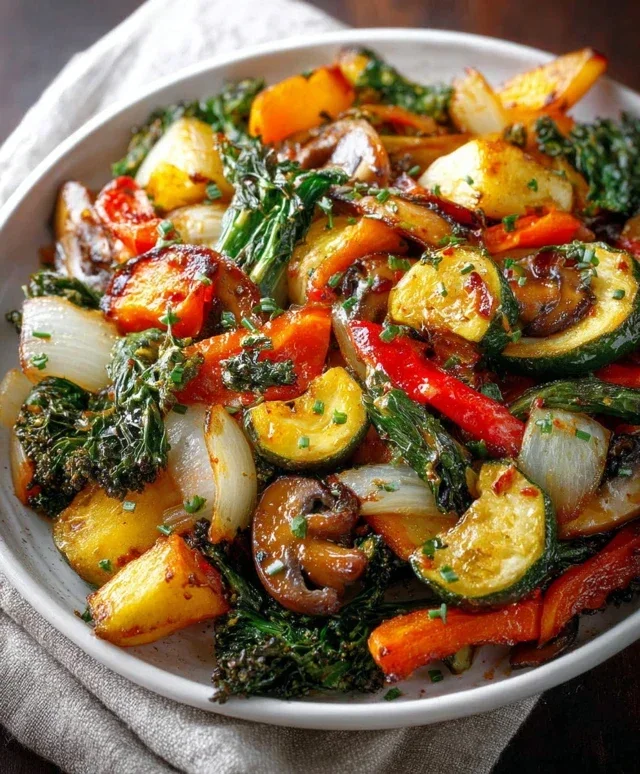
Healthy Sautéed Vegetables – Quick, Flavorful & Nutritious Side
Looking for a simple, vibrant, and incredibly healthy side dish that can elevate any meal? Look no further than these Healthy Sautéed Vegetables. This recipe is designed for speed and flavor, transforming humble produce into a culinary delight. It’s the perfect way to pack in a variety of nutrients and colors onto your plate without a fuss. Whether you’re a seasoned cook or just starting out, this recipe is incredibly forgiving and adaptable. We’ll guide you through each step to ensure a perfectly cooked, delicious result every time.
These sautéed vegetables are more than just a side; they are a celebration of fresh ingredients. The beauty of this dish lies in its versatility. You can swap out vegetables based on what’s in season or what you have on hand. The key is to chop them uniformly so they cook evenly. This recipe focuses on a classic combination that offers a wonderful mix of textures and flavors, from the crisp snap peas to the tender zucchini and the earthy mushrooms. Let’s get started on creating this delightful and healthy addition to your meals.
Ingredients:
Cooking Instructions
1. Preparation is Key: Gathering and Prepping Your Produce
Before we even think about turning on the stove, it’s essential to have all your ingredients prepped and ready. This dish cooks quickly, so having everything chopped, minced, and measured will make the entire process smooth and stress-free. Start by washing all your vegetables thoroughly. Then, mince your garlic cloves. For the onion, slice it thinly, creating nice rings. Slice your bell pepper into strips, removing any seeds and the white pith. For the zucchini, aim for half-moon shapes about ¼ inch thick. Cut your broccoli into bite-sized florets. If your carrot is large, consider slicing it thinly into rounds or julienning it into matchsticks for quicker cooking and a more elegant presentation. Trim the ends off your snap peas. Finally, slice your mushrooms. The beauty of this recipe is its adaptability; feel free to adjust the types and quantities of vegetables based on your preferences and what you have in your refrigerator. Having everything ready to go in separate bowls or on your cutting board will allow you to add them to the pan in the correct order, ensuring each vegetable cooks to perfection.
2. Building the Flavor Base: Sautéing Aromatics
Begin extract by heating your chosen fat – olive oil, avocado oil, or butter – in a large skillet or wok over medium-high heat. You want the oil to be shimmering but not smoking. Once hot, add the thinly sliced onion. Sauté the onion for about 2-3 minutes until it begin extracts to soften and turn translucent. This step is crucial for developing a sweet, mellow flavor that will form the foundation of our dish. Next, add the minced garlic to the skillet. Stir the garlic constantly for about 30-60 seconds until it becomes fragrant. Be careful not to burn the garlic, as this will impart a bitter taste to your vegetables. Burnt garlic is one of the quickest ways to ruin a dish, so keep a close eye on it. The aroma of garlic and onion sautéing together is truly enticing and signals that deliciousness is on its way.
3. The Grand Entrance: Adding Heartier Vegetables
Once the aromatics are fragrant, it’s time to introduce the vegetables that require a little more cooking time. Add the sliced bell pepper, zucchini half-moons, broccoli florets, and julienned carrots to the skillet. Stir everything together to coat the vegetables with the oil and aromatics. Continue to sauté these vegetables for about 5-7 minutes, stirring occasionally. The goal here is to start softening them and giving them a slight char without making them mushy. You want them to retain a pleasant crisp-tender texture. If your skillet seems a bit dry, you can add another splash of oil or a tablespoon of water or vegetable broth to help steam the vegetables and prevent sticking. This initial sautéing phase is where we build texture and allow the flavors to begin extract melding.
4. The Quick Cookers: Adding Delicate Greens and Fungi
Now, it’s time to add the quicker-cooking vegetables to the mix. Add the snap peas and sliced mushrooms to the skillet. Continue to sauté for another 3-5 minutes. The snap peas should turn bright green and become tender-crisp, while the mushrooms will release their moisture and begin extract to brown. Stir everything frequently to ensure even cooking. At this stage, you’re aiming for vegetables that are vibrant in color and still have a satisfying bite. Overcooking will turn them limp and dull, so keep a close watch. This is also a good time to season generously. Add salt and freshly ground black pepper to taste. Start with a moderate amount and you can always add more at the end if needed. Properly seasoning your vegetables throughout the cooking process is key to achieving a balanced and delicious flavor profile.
5. The Finishing Touches: Brightening and Enhancing Flavors
Once your vegetables have reached your desired level of tenderness – usually a vibrant color with a slight crispness – it’s time for the final flavor boosters. If you’re using them, stir in the lemon juice and/or balsamic vinegar or soy sauce. The lemon juice adds a zesty brightness, cutting through the richness of the oil and enhancing the natural sweetness of the vegetables. The balsamic vinegar or soy sauce adds a touch of acidity and umami depth, giving the dish a more complex flavor profile. Stir well to distribute these final touches evenly. Give everything a final taste and adjust salt and pepper as needed. For an extra layer of deliciousness, consider serving your sautéed vegetables with some of the optional toppings. Toasted nuts or seeds add a delightful crunch, fresh herbs like parsley or chives bring a burst of freshness, and a sprinkle of grated Parmesan cheese offers a savory, salty finish. This step transforms a simple sauté into a truly gourmet experience. Enjoy this healthy, quick, and incredibly flavorful side dish with your favorite protein or as a light and satisfying meal on its own.
Conclusion:
You’ve just discovered the secret to a truly fantastic side dish: Healthy Sautéed Vegetables – Quick, Flavorful & Nutritious Side. This recipe is a game-changer because it proves that healthy eating doesn’t have to be bland or time-consuming. In just minutes, you can transform a medley of fresh vegetables into a vibrant, delicious, and incredibly satisfying addition to any meal. It’s packed with essential vitamins, minerals, and fiber, making it a guilt-free way to boost your daily nutrient intake. The beauty of this dish lies in its versatility; it pairs wonderfully with grilled chicken or fish, roasted tofu, or even as a standalone light lunch. Don’t be afraid to experiment with different vegetable combinations and seasonings to make it your own. I truly encourage you to give this healthy sautéed vegetables recipe a try – you’ll be amazed at how simple and rewarding it is!
Frequently Asked Questions:
Q1: Can I use frozen vegetables for this recipe?
Absolutely! While fresh vegetables often have the best texture, frozen vegetables work perfectly well. Ensure you thaw them and pat them dry thoroughly before sautéing to prevent excess moisture from steaming them instead of searing. This will help maintain that desirable crisp-tender texture.
Q2: What other seasonings can I use?
The possibilities are endless! Beyond the basics, consider adding a pinch of red pepper flakes for a touch of heat, a dash of smoked paprika for depth, or some fresh herbs like thyme, rosemary, or parsley towards the end of cooking. A squeeze of lemon juice or a splash of balsamic vinegar just before serving can also add a wonderful brightness.
Q3: How can I make this sautéed vegetables recipe more of a complete meal?
To transform this into a more substantial dish, you can easily add a protein source. Stir in some pre-cooked chicken, shrimp, or tofu during the last few minutes of cooking. You could also serve it over a bed of quinoa or brown rice for added fiber and protein, creating a truly satisfying and wholesome meal.
Healthy Sautéed Vegetables – Quick, Flavorful & Nutritious Side
A vibrant and healthy sautéed vegetable dish, perfect as a quick and flavorful side. Packed with nutrients and customizable with optional seasonings and toppings.
Ingredients
-
2 tbsp olive oil
-
2 cloves garlic, minced
-
1 small onion, thinly sliced
-
1 bell pepper, sliced
-
1 zucchini, sliced into half-moons
-
1 cup broccoli florets
-
1 medium carrot, julienned or sliced thin
-
½ cup snap peas
-
½ cup mushrooms, sliced
-
Salt and black pepper, to taste
-
1 tsp lemon juice
-
1 tsp balsamic vinegar
Instructions
-
Step 1
Heat olive oil in a large skillet or wok over medium-high heat. -
Step 2
Add minced garlic and thinly sliced onion to the skillet and sauté for 1-2 minutes until fragrant and softened. -
Step 3
Add bell pepper, zucchini, broccoli florets, carrot, and snap peas to the skillet. Stir-fry for 5-7 minutes, until vegetables are tender-crisp. -
Step 4
Add sliced mushrooms and continue to cook for another 2-3 minutes, until mushrooms are tender. -
Step 5
Season with salt and black pepper to taste. Stir in lemon juice and balsamic vinegar (if using) for added flavor. -
Step 6
Serve immediately as a healthy side dish. Garnish with toasted nuts, seeds, fresh herbs, or grated Parmesan if desired.
Important Information
Nutrition Facts (Per Serving)
It is important to consider this information as approximate and not to use it as definitive health advice.
Allergy Information
Please check ingredients for potential allergens and consult a health professional if in doubt.