Easy Miso Soup Recipe- Delicious & Quick
Miso Soup Recipe: For many of us, the comforting warmth and savory depth of a steaming bowl of miso soup is more than just a starter; it’s a culinary hug, a taste of home, or a moment of pure, unadulterated deliciousness. What is it about this seemingly simple broth that captures hearts and palates worldwide? It’s that perfect marriage of umami-rich miso paste, fragrant dashi, and delicate additions like silky tofu and crisp scallions. The magic lies in its versatility and the incredible flavor profile it delivers with such ease. Whether you’re seeking a light appetizer, a satisfying lunch, or a grounding element to a larger meal, this miso soup recipe is your gateway to mastering this beloved Japanese staple. We’ll guide you through creating a truly authentic and deeply satisfying bowl every time.
Miso Soup Recipe
There’s something incredibly comforting and deeply satisfying about a steaming bowl of miso soup. It’s a cornerstone of Japanese cuisine, a dish that’s both simple and profound, offering a delicate balance of umami, savory, and slightly sweet notes. Whether you’re starting your day with a nourishing breakfast, enjoying it as a prelude to a larger meal, or simply seeking a warm embrace in a bowl, this miso soup recipe is your gateway to authentic flavor. It’s surprisingly easy to make at home, and the results are leagues beyond any instant packet you’ll find in a store. Get ready to elevate your kitchen with this fundamental, yet utterly delicious, Japanese staple.
Ingredients:
Crafting Your Miso Masterpiece
Making this miso soup is a straightforward process, but paying attention to a few key details will ensure you achieve that perfect, nuanced flavor. Dashi, the foundational broth, is crucial. While you can buy instant dashi powder, making your own from kombu (dried kelp) and katsuobushi (dried bonito flakes) will impart a far richer and more complex umami. If you’re short on time, a good quality instant dashi is a perfectly acceptable alternative.
The type of miso paste you choose will also significantly influence the final taste. There are many varieties, each with its own unique character. White miso (shiro miso) is the mildest and slightly sweet, perfect for a delicate soup. Yellow miso (shinshu miso) has a bit more depth and a slightly fermented flavor. Red miso (aka miso) is the most robust and intense, offering a deep, savory punch. For this recipe, a good starting point is a white or yellow miso, but feel free to experiment as you become more comfortable. You can even blend different types of miso for a more complex flavor profile.
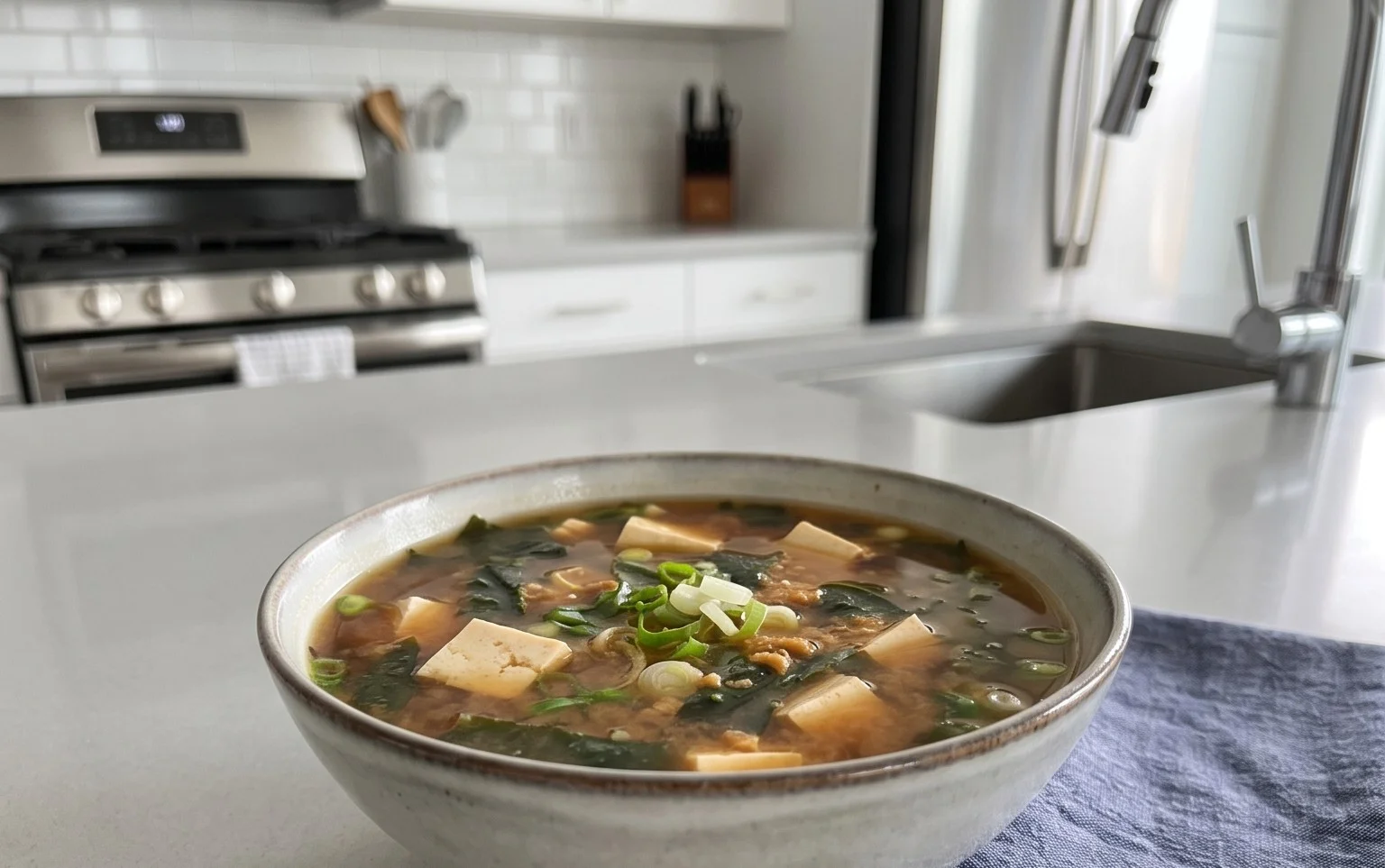
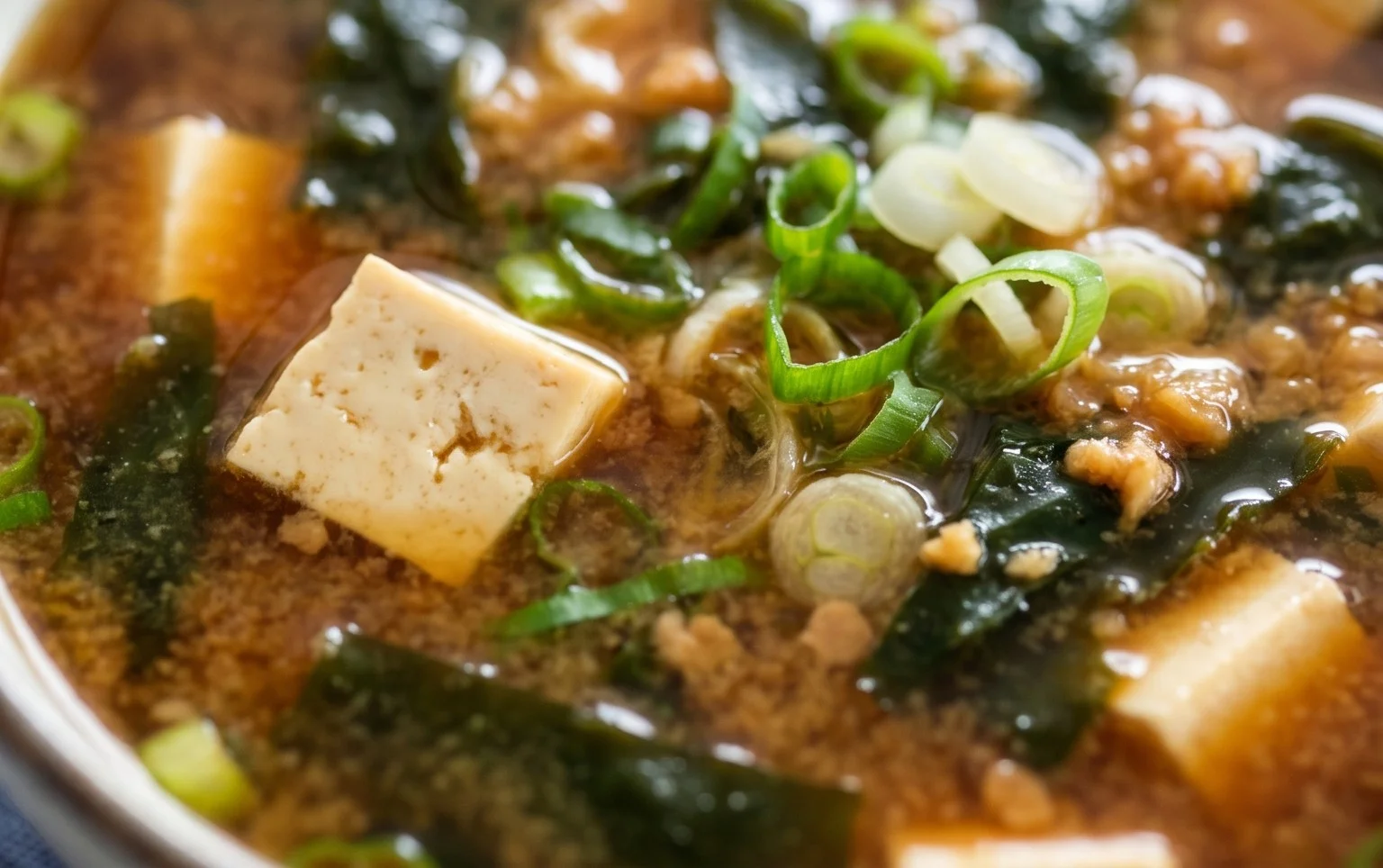
The silken tofu adds a lovely creamy texture that contrasts beautifully with the broth, while the dried seaweed rehydrates to provide a subtle oceanic salinity and an extra boost of nutrients. Finally, the fresh scallions offer a bright, pungent finish.
Step-by-Step Cooking Instructions
1. Rehydrate the Seaweed and Prepare the Tofu: In a small bowl, place the dried seaweed and cover it with lukewarm water. Let it soak for about 5-10 minutes, or until it has softened and expanded. It will turn a beautiful dark green. While the seaweed is hydrating, carefully cut your silken tofu into small, bite-sized cubes. Be gentle with silken tofu, as it is quite delicate. You want pieces that are easy to scoop up with a spoon and that won’t break apart too easily once added to the hot broth. Drain the rehydrated seaweed, squeezing out any excess water, and set it aside.
2. Warm the Dashi Broth: Pour the 2½ cups of dashi into a medium saucepan. Place the saucepan over medium heat. You want to bring the dashi to a gentle simmer, but it’s crucial not to let it come to a rolling boil. Boiling the dashi can diminish its delicate flavor and aroma. Just a gentle bubbling at the edges is perfect. This is where the magic of the broth begin extracts to unfold.
3. Incorporate the Tofu and Seaweed: Once the dashi is gently simmering, carefully add the cut silken tofu pieces and the drained, rehydrated seaweed to the saucepan. Stir gently to distribute them evenly throughout the broth. Allow them to warm through for about 2-3 minutes. This brief simmering time ensures the tofu is heated and the seaweed is fully incorporated into the liquid, releasing its subtle oceanic notes.
4. Temper the Miso Paste: This is perhaps the most critical step to ensure your miso soup is perfectly flavored and the beneficial probiotics in the miso are preserved. Do not add the miso paste directly to the boiling broth. Instead, take a ladleful of the warm dashi from the saucepan and place it into a small bowl. Add your 2-2½ tablespoons of miso paste to this bowl of warm dashi. Whisk the miso paste vigorously with a fork or a small whisk until it is completely dissolved and forms a smooth paste. This process, known as “tempering,” gently warms the miso without cooking it, preserving its complex flavor and beneficial properties.
5. Combine and Finish: Once the miso paste is fully dissolved in the small bowl, pour this miso mixture back into the saucepan with the rest of the dashi, tofu, and seaweed. Stir gently to combine everything. Lower the heat to the lowest setting or turn it off completely. The soup should be heated through, but again, avoid boiling it. A gentle heat is all that’s needed to meld the flavors. Stir in most of the chopped scallions, reserving a little for garnish. Ladle the soup into your serving bowls immediately. Garnish each bowl with the remaining chopped scallions. Enjoy the warm, savory embrace of your homemade miso soup!
Conclusion:
And there you have it – your guide to crafting a wonderfully authentic and incredibly satisfying bowl of miso soup! This recipe is a true gem because it’s remarkably simple to prepare, yet delivers a depth of flavor that is both comforting and invigorating. The delicate umami of the miso paste, combined with the subtle dashi broth, creates a harmonious base that can be enjoyed on its own or as the perfect accompaniment to a wide array of meals. I encourage you to give this miso soup recipe a try; it’s a culinary adventure that is so rewarding and surprisingly quick, making it ideal for a busy weeknight or a relaxing weekend brunch.
Serve this delicious miso soup as a starter to your sushi or ramen, alongside grilled fish, or even as a light, wholesome breakfast. Feel free to get creative with your additions! Consider stirring in some wilted spinach, enoki mushrooms, or even some silken tofu for added texture and nutrients. A sprinkle of toasted sesame seeds or a drizzle of chili oil can elevate it even further. Don’t be afraid to experiment and discover your own favorite variations. Making miso soup at home is a delightful experience that I’m sure you’ll find yourself returning to again and again.
Frequently Asked Questions:
What kind of miso paste should I use?
For this recipe, I recommend using awase miso, which is a blend of red and white miso. It offers a balanced flavor that isn’t too strong or too mild. Red miso will give a deeper, more robust flavor, while white miso (shiro miso) is sweeter and milder. Experimenting with different types is part of the fun!
Can I make miso soup ahead of time?
While miso soup is best enjoyed fresh, you can prepare the dashi broth and have your solid ingredients ready in advance. It’s best to add the miso paste just before serving to preserve its delicate flavor and beneficial probiotics, as prolonged heating can diminish them.
Miso Soup Recipe
A simple and comforting classic Japanese miso soup.
Ingredients
-
2½ cups Dashi
-
1 heaping tablespoon dried seaweed
-
4 oz silken tofu (cut into small pieces)
-
2-2½ tablespoons miso paste (or to taste)
-
1 tablespoon scallion (chopped)
-
1 teaspoon sesame oil
Instructions
-
Step 1
In a medium saucepan, bring the Dashi to a simmer. -
Step 2
Add the dried seaweed to the simmering Dashi and let it rehydrate for about 5 minutes. -
Step 3
Gently add the silken tofu pieces to the pot. -
Step 4
In a small bowl, whisk the miso paste with a little bit of the hot Dashi until smooth. This prevents clumps. -
Step 5
Stir the dissolved miso paste into the soup. Do not boil after adding miso, as it can alter the flavor and diminish its beneficial properties. -
Step 6
Ladle the soup into bowls and garnish with chopped scallions and a drizzle of sesame oil.
Important Information
Nutrition Facts (Per Serving)
It is important to consider this information as approximate and not to use it as definitive health advice.
Allergy Information
Please check ingredients for potential allergens and consult a health professional if in doubt.