Spicy Potato Noodles-Quick & Easy Comfort Food
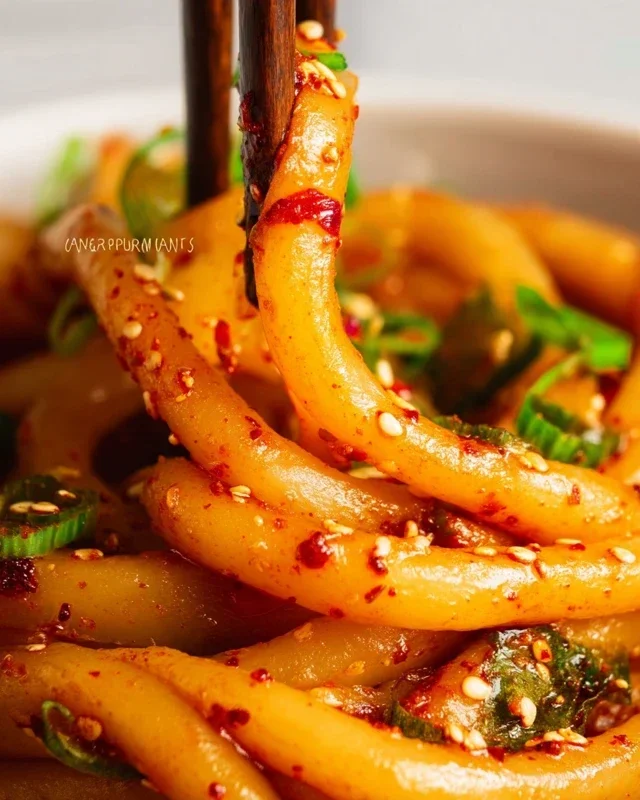
Spicy Potato Noodles are about to become your new obsession! If you’re looking for a dish that delivers serious flavor punch with minimal fuss, you’ve landed in the right place. This isn’t just another noodle recipe; it’s a vibrant explosion of taste and texture that has captured hearts (and taste buds!) everywhere. People adore Spicy Potato Noodles for their incredible versatility and the satisfying chew of the potato noodles themselves, which soak up the fiery sauce like a dream. What truly sets this dish apart is the perfect dance between heat, tang, and a hint of savory goodness, all coming together in a comforting bowl that’s both exciting and deeply satisfying. Get ready to whip up a batch that will have you asking for seconds before you’ve even finished your first serving.
Spicy Potato Noodles
Get ready to tantalize your taste buds with a truly unique and incredibly satisfying dish: Spicy Potato Noodles! If you’ve never made noodles from scratch before, you might be a little intimidated, but I promise you, it’s much simpler than you think, and the reward is absolutely worth it. These noodles are delightfully chewy, with a slightly starchy texture that perfectly absorbs the vibrant, spicy sauce. They’re a fantastic vegetarian option, and a great way to get creative in the kitchen. I love making these when I’m craving something comforting yet exciting, and they always disappear in a flash.
Ingredients:
Crafting the Perfect Potato Noodles
The magic of these noodles begin extracts with the humble potato. Don’t underestimate its power to transform into a delightful pasta-like base! The process is divided into a few key stages: preparing the potato dough, shaping the noodles, and finally, bringin extractg it all together with a flavorful sauce.
Step 1: Cooking and Mashing the Potatoes
The first crucial step is to get your potatoes ready. Place your peeled and roughly chopped russet potatoes into a medium saucepan. Cover them with water, ensuring they are fully submerged. Add the ½ teaspoon of salt to the water. This not only seasons the potatoes but also helps them cook evenly. Bring the water to a boil over medium-high heat, then reduce the heat to a simmer and cook for about 15-20 minutes, or until the potatoes are fork-tender. You should be able to easily pierce them with a fork.
Once cooked, drain the potatoes thoroughly. It’s important to get rid of as much excess water as possible, as this will affect the consistency of your dough. Transfer the hot potatoes to a bowl and mash them until they are smooth and lump-free. You can use a potato masher, a fork, or even a ricer for an extra-smooth texture. Let the mashed potatoes cool slightly for about 5-10 minutes. They should be warm, but not so hot that they burn your hands when you start working with them.
Step 2: Creating the Noodle Dough
Now comes the fun part – transforming the mashed potatoes into dough! In a separate bowl, combine the 1½ cups of potato starch with the warm water. Gradually add the warm water to the potato starch, mixing with a spatula or wooden spoon until a thick, paste-like consistency forms. This is your potato starch slurry.
Next, add the slightly cooled mashed potatoes to the potato starch mixture. Begin extract to mix everything together. At first, it might seem like it’s not coming together, but keep going! You’ll want to work the mixture with your hands until it forms a cohesive, somewhat sticky dough. Don’t be afraid to get your hands in there! If the dough feels too dry and crum extractbly, you can add a teaspoon of water at a time. If it feels too sticky, add a tablespoon of potato starch at a time. The goal is a dough that is pliable and doesn’t stick excessively to your hands. Knead the dough for about 3-5 minutes until it’s smooth and elastic.
Step 3: Shaping the Noodles
This is where you get to be creative with your noodle shapes. You have a few options here. One popular method is to roll the dough into long ropes, about ½ inch in diameter. Then, you can either cut these ropes into bite-sized pieces (about 1 inch long) and then flatten each piece slightly with your thumb, or you can simply drag the rope across a lightly floured surface to create a slightly irregular, rustic noodle shape.
Another method is to pinch off small pieces of dough, roll them into a ball, and then flatten them with your palm. Or, you can simply roll the entire dough into a thin sheet (about ¼ inch thick) and then cut it into noodle shapes using a knife or a pizza cutter. Don’t worry about perfection; the slight imperfections are part of the charm of homemade noodles! You can also gently press your thumb into the flattened pieces to create little ridges, which are great for holding the sauce. Place the shaped noodles on a baking sheet lined with parchment paper or lightly dusted with potato starch to prevent them from sticking together.
Step 4: Cooking the Noodles
Bring a large pot of water to a rolling boil. Carefully add your shaped potato noodles to the boiling water. Stir them gently to prevent them from clumping together. These noodles cook quite quickly, so keep a close eye on them. They will typically float to the surface when they are nearly done. Cook them for about 3-5 minutes, or until they are cooked through and have a delightful chewy texture. You can test one by taking it out and tasting it. Once cooked, drain the noodles thoroughly.
Step 5: Assembling the Spicy Sauce and Finishing the Dish
While your noodles are cooking, let’s get the incredibly flavorful sauce ready. In a medium bowl, whisk together the 2 tablespoons of regular soy sauce, 2 tablespoons of Chinese black vinegar, 2 tablespoons of gochugaru (adjust to your spice preference!), 1¼ teaspoons of granulated sugar, and ⅛ teaspoon of salt. This is your flavor base.
In a large skillet or wok, heat the 3 tablespoons of oil over medium heat. Once the oil is shimmering, add the minced garlic and sauté for about 30 seconds until fragrant, being careful not to burn it. Immediately pour the prepared sauce mixture into the skillet. Stir it well and let it simmer for about 1 minute, allowing the flavors to meld and thicken slightly.
Add the drained, cooked potato noodles to the skillet with the sauce. Toss them gently to coat every single noodle evenly. Cook for another minute or two, allowing the noodles to absorb the delicious sauce. Finally, stir in the sliced green onion and most of the chopped cilantro. Reserve a little cilantro for garnish.
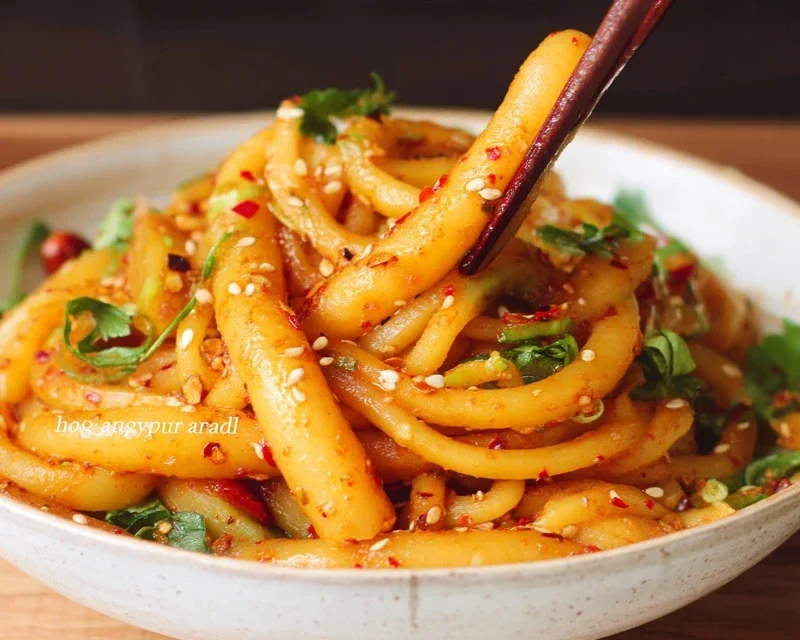
Serve your Spicy Potato Noodles immediately, garnished with the remaining cilantro. The combination of the chewy noodles and the vibrant, spicy sauce is utterly addictive. Enjoy every single bite!
Conclusion:
And there you have it – a truly delightful and incredibly satisfying recipe for Spicy Potato Noodles! This dish is fantastic because it transforms simple pantry staples into a flavor explosion that’s both comforting and exciting. The tender potato noodles, coated in a vibrant, spicy sauce, offer a unique texture and a depth of flavor that will have you coming back for more. It’s a perfect weeknight meal that feels special enough for guests but is wonderfully easy to prepare. Don’t hesitate to give these Spicy Potato Noodles a try; I’m confident you’ll love them as much as I do!
For serving, these noodles are wonderfully versatile. They pair beautifully with a crisp green salad to balance the richness, or you can serve them alongside some pan-fried tofu or grilled chicken for a more complete protein-packed meal. Feel free to get creative with variations! You could add in some sautéed mushrooms, bell peppers, or snap peas for extra crunch and nutrients. For a milder heat, reduce the amount of chili paste or flakes. If you’re feeling adventurous, a drizzle of sesame oil or a sprinkle of toasted sesame seeds adds another layer of nutty goodness.
Frequently Asked Questions:
Can I make the spicy sauce ahead of time?
Absolutely! The spicy sauce for these noodles can be made a day or two in advance and stored in an airtight container in the refrigerator. This makes assembling the dish even quicker when you’re ready to cook.
What kind of potato is best for the noodles?
While many potatoes can work, starchy potatoes like Russets or Yukon Golds tend to yield the best texture for potato noodles as they bind well. Ensure you’re using a freshly cooked and mashed potato for optimal results.
I don’t have chili paste, what can I substitute?
If you don’t have chili paste, you can substitute with a combination of red pepper flakes and a little bit of tomato paste or sriracha, adjusting the quantities to your desired spice level.
Spicy Potato Noodles
Chewy and flavorful potato noodles tossed in a savory and spicy sauce.
Ingredients
-
1.1 pounds russet potato (peeled and cut into 1 inch pieces)
-
1½ cup potato starch
-
½ cup water (warm)
-
2 tablespoons regular soy sauce
-
2 tablespoons Chinese black vinegar
-
2 tablespoons gochugaru (coarse)
-
1¼ teaspoons granulated sugar
-
⅛ teaspoon salt
-
2 tablespoons garlic (minced)
-
1 stalk green onion (sliced)
-
3 tablespoons oil (any neutral oil)
-
⅓ cup cilantro (roughly chopped)
Instructions
-
Step 1
Boil the potato pieces until very tender. Drain thoroughly and mash until smooth. -
Step 2
In a bowl, combine mashed potato with potato starch and ½ teaspoon salt. Gradually add warm water, mixing until a cohesive dough forms. -
Step 3
Roll the dough into thin ropes and cut into noodle shapes. You can also roll into thin sheets and cut into strips. -
Step 4
Bring a pot of salted water to a boil. Cook the noodles for 3-5 minutes, or until they float to the surface. Drain. -
Step 5
In a separate bowl, whisk together soy sauce, black vinegar, gochugaru, granulated sugar, ⅛ teaspoon salt, and minced garlic. -
Step 6
Heat the neutral oil in a skillet over medium heat. Add the cooked noodles and the sauce mixture. Toss to coat. -
Step 7
Stir in sliced green onion and chopped cilantro. Serve immediately.
Important Information
Nutrition Facts (Per Serving)
It is important to consider this information as approximate and not to use it as definitive health advice.
Allergy Information
Please check ingredients for potential allergens and consult a health professional if in doubt.