Homemade Pâtes de Fruits No Corn Syrup Treat
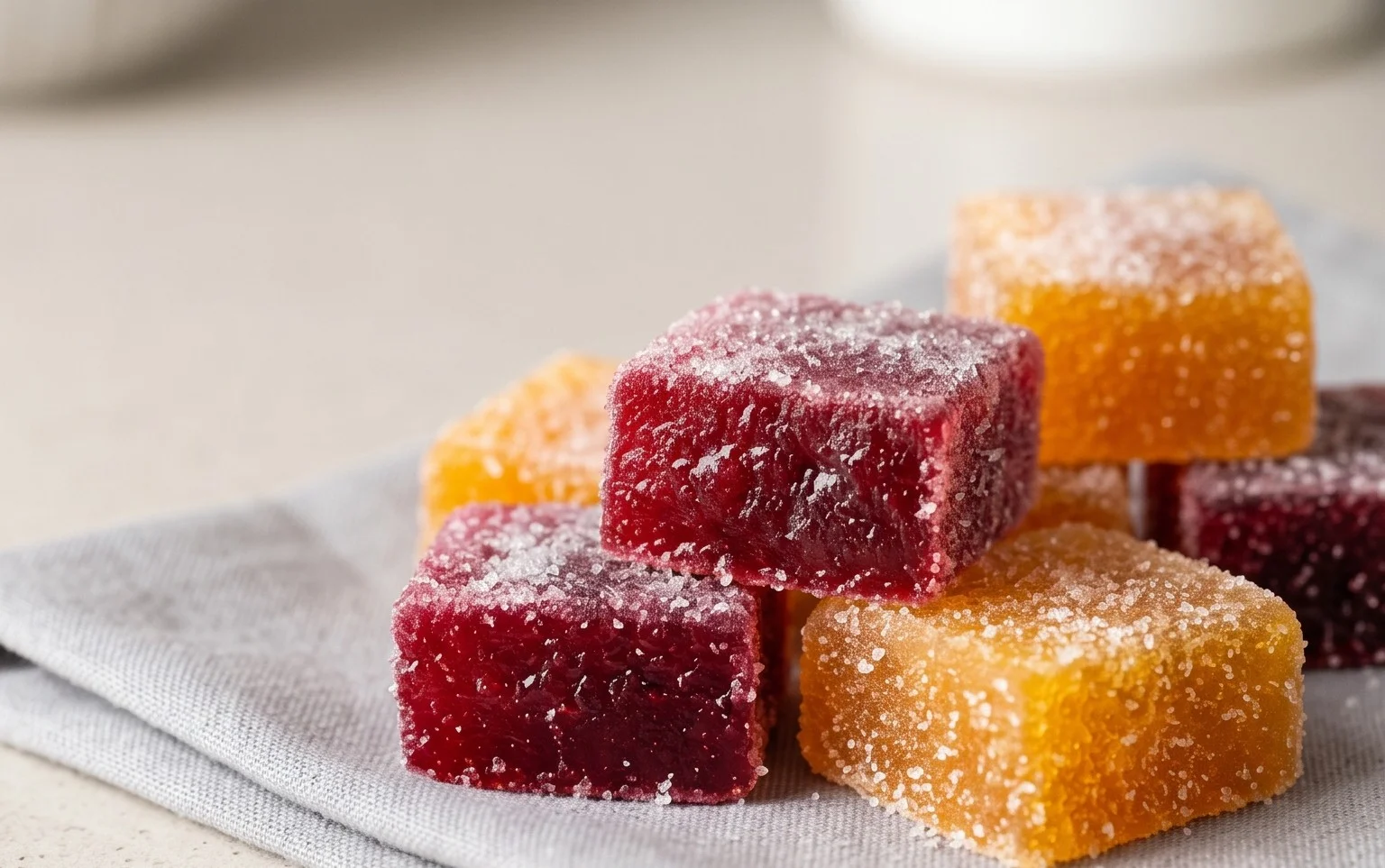
Homemade pâtes de fruits (no corn syrup) are a delightful journey into the world of classic French confections, and I’m so excited to share this recipe with you. There’s a unique magic to crafting these jewel-toned fruit jellies right in your own kitchen. Forget the commercial versions that often rely on corn syrup for their texture; our focus today is on pure, unadulterated fruit flavor and a perfectly yielding bite achieved through simpler, natural methods. These aren’t just candies; they’re little bursts of sunshine, capturing the essence of ripe berries, vibrant citrus, or fragrant stone fruits. The sheer joy of seeing these translucent gems transform from a simmering fruit puree to firm, glistening squares is incredibly rewarding. They possess a sophisticated chegrape juicess that melts in your mouth, making homemade pâtes de fruits (no corn syrup) a truly special treat for yourself or to impress your loved ones.
Homemade Pâtes de Fruits (No Corn Syrup)
There’s something undeniably sophisticated about pâtes de fruits. These jewel-toned, fruit-infused candies, often found in French patisseries, offer a burst of pure, unadulterated fruit flavor with a delightful chewy texture. Traditionally, they rely on sugar and pectin to achieve their signature consistency, and while some modern recipes might sneak in corn syrup for texture and stability, I wanted to recreate that classic elegance without it. The result? Pure fruit joy, concentrated and utterly delicious.
The beauty of making pâtes de fruits at home is twofold: you control the quality of ingredients, and you get to play with truly exceptional fruit flavors. Forget artificial hues and cloying sweetness; we’re talking about the vibrant essence of your favorite fruits. This recipe is incredibly forgiving, and once you get the hang of it, you’ll be experimenting with all sorts of fruit combinations. I’ve found that a blend of intensely flavored fruits works best, where one fruit’s brightness can complement another’s depth.
Ingredients:
*Note on Pectin: For this recipe, it’s important to use “classic” or “traditional” pectin, often sold as a powder. Avoid “low-sugar” or “no-sugar-needed” pectins, as these are formulated differently and might require adjustments to sugar ratios. You can usually find classic pectin in the baking aisle of well-stocked supermarkets or at specialty baking stores.
Getting Started: Preparing Your Workspace
Before you even think about turning on the stove, it’s crucial to have your workspace ready. This is a candy-making process, and once things start to cook, they can move quite quickly. You’ll need a baking dish, preferably an 8×8 inch square or a similar sized rectangular one. Line this dish meticulously with parchment paper, leaving some overhang on all sides. This overhang will act as handles, making it much easier to lift the set fruit paste out of the dish later. Lightly grease the parchment paper with a neutral oil or a tiny bit of butter – just enough to prevent sticking, but not so much that it makes the surface greasy. You’ll also want your sugar for coating nearby, ready to go.
The Cooking Process: Building the Flavor
1.
Combine Juice and Pectin: In a medium-sized, heavy-bottomed saucepan, whisk together the fruit juice and the classic pectin. It’s essential to whisk thoroughly at this stage to ensure the pectin is fully dispersed and doesn’t form lumps. If you add the pectin directly to hot liquid, it can clump up and won’t activate properly, leading to a less-than-ideal texture in your finished pâtes de fruits. Let this mixture sit for about 5 to 10 minutes. This allows the pectin to hydrate, which will make it easier to dissolve into the liquid and contribute to a smoother final product.
2.
Bring to a Boil and Add Sugar: Place the saucepan over medium-high heat and bring the fruit juice and pectin mixture to a rolling boil. Once it’s at a vigorous boil that you can’t stir out, gradually add the granulated sugar, whisking constantly. Continue to cook, stirring frequently, until the mixture reaches 220°F (104°C) on a candy thermometer. This temperature is crucial for achieving the correct set for your pâtes de fruits. The sugar needs to reach this stage to properly cook with the pectin and create that signature chewy, yet firm, texture. Don’t rush this step; ensure the temperature is accurate.
3.
Add Lemon Juice and Continue Cooking: Once the mixture has reached 220°F (104°C), stir in the freshly squeezed lemon juice. The lemon juice not only adds a touch of brightness and balances the sweetness but also helps to activate the pectin further. Continue to cook the mixture, stirring constantly, until it reaches 230°F (110°C) on your candy thermometer. This higher temperature is important for ensuring the final product has the right firmness and won’t be too soft or sticky. Be patient, and keep a close eye on the thermometer.
4.
Pour and Cool: As soon as the mixture reaches 230°F (110°C), immediately remove the saucepan from the heat. Carefully pour the hot liquid into your prepared, parchment-lined baking dish. Work quickly but cautiously, as the mixture is very hot. Use a heat-resistant spatula to scrape every last bit from the pan – you don’t want to waste any of this delicious fruit concentrate. Let the mixture cool at room temperature for about 30 minutes. During this time, it will begin extract to thicken and set.
5.
Set and Cut: After the initial 30-minute cooling period, gently place the baking dish in the refrigerator. Allow it to chill and set completely, which usually takes about 2 to 3 hours, or even overnight. The longer it chills, the firmer it will become, making it easier to handle. Once completely set, use the parchment paper overhang to carefully lift the entire slab of fruit paste out of the dish onto a clean cutting board. Lightly dust a sharp knife or a pizza cutter with granulated sugar. Cut the slab into desired shapes – squares or rectangles are classic, but feel free to get creative with cookie cutters if you’re feeling playful.
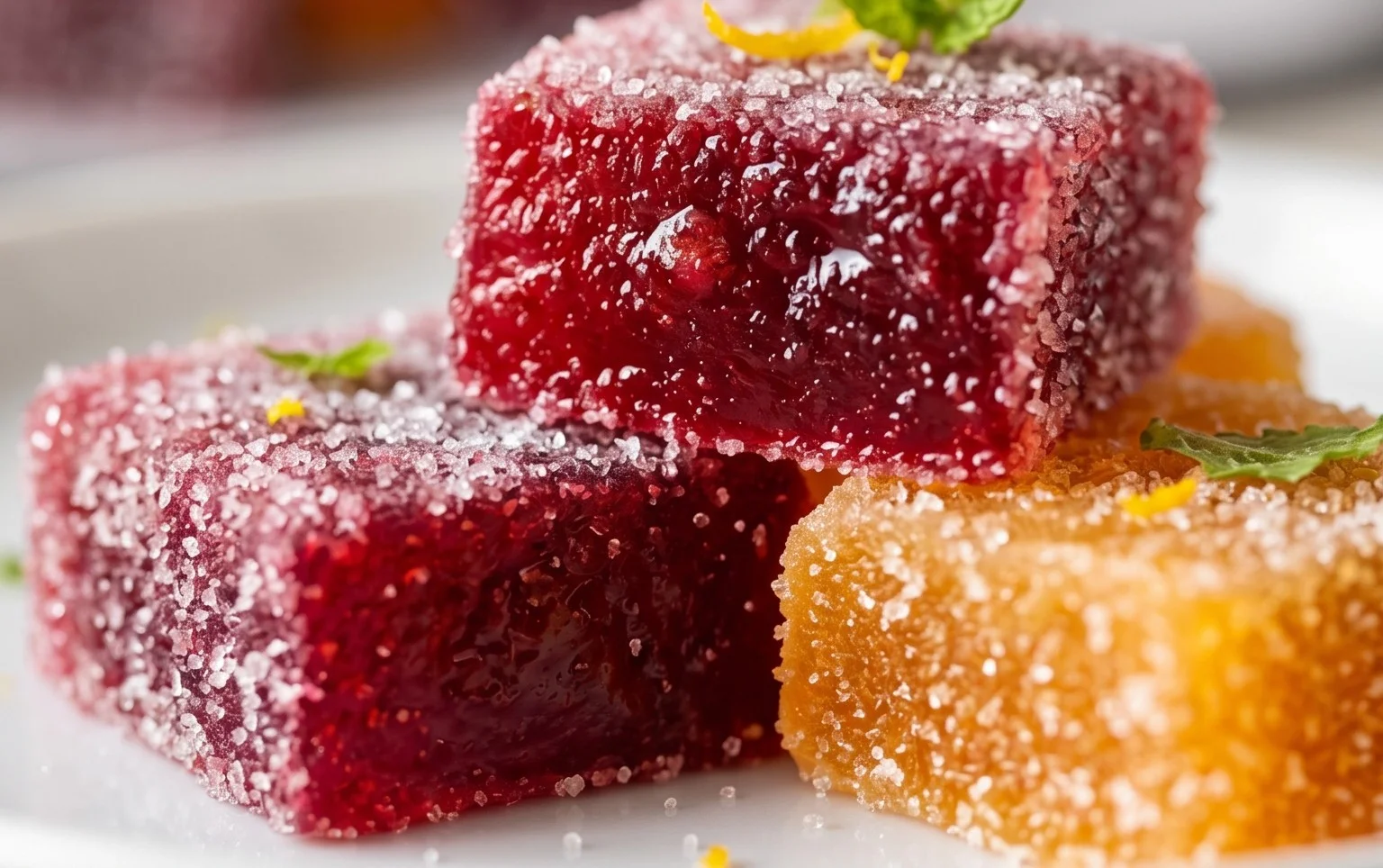
Once cut, toss each piece generously in more granulated sugar to coat all sides. This sugary coating prevents them from sticking together and adds a delightful textural contrast to the chewy interior. Store your homemade pâtes de fruits in an airtight container at room temperature for up to a week, though they are often best enjoyed within a few days for optimal freshness and texture. Enjoy this little taste of concentrated fruit sunshine!
Conclusion:
Congratulations on mastering the art of homemade pâtes de fruits, completely free from corn syrup! This recipe proves that you can achieve those delightfully chewy, intensely fruity candies with simple, wholesome ingredients. The magic lies in the perfect balance of fruit puree, sugar, and pectin, creating a texture that’s both yielding and satisfying. You’ve unlocked a world of vibrant flavors and a wonderfully rewarding confectionary experience.
These homemade pâtes de fruits are incredibly versatile. Enjoy them as a sophisticated treat after dinner, a colorful addition to a cheese board, or a delightful homemade gift for loved ones. Their vibrant colors and natural sweetness make them a healthier indulgence. Don’t be afraid to experiment! Try different fruit combinations like mango-passionfruit, raspberry-lychee, or even an exotic guava-lime blend. The possibilities are truly endless, and the process is a joyous exploration of flavor.
I wholeheartedly encourage you to give this recipe a try. The satisfaction of creating these beautiful, delicious pâtes de fruits from scratch is immense. It’s a project that yields a delightful reward and a wonderful sense of accomplishment. Dive in, embrace the process, and enjoy your own artisanal fruit jellies!
FAQs
Q: My pâtes de fruits are too soft. What did I do wrong?
A: This most likely means your sugar and pectin mixture didn’t reach a high enough temperature, or you may have had too much fruit puree relative to the sugar and pectin. Ensuring you reach the setting point (often indicated by a specific temperature on a candy thermometer, typically around 220-230°F or 104-110°C) is crucial for achieving that signature firm yet yielding texture. If you don’t have a thermometer, a “wrinkle test” where a drop of the mixture forms a firm wrinkle when placed in cold water can also indicate it’s ready.
Q: Can I use different types of fruit puree?
A: Absolutely! This recipe is wonderfully adaptable. Just ensure your fruit puree is thick and concentrated. If your puree is very watery, you might need to reduce it slightly on the stovetop before starting the recipe to avoid affecting the final texture. Berries, stone fruits, tropical fruits – all can be transformed into delicious pâtes de fruits.
Homemade Pâtes de Fruits (no corn syrup)
Chewy, fruit-flavored candies made without corn syrup, using pure fruit juice and sugar.
Ingredients
-
2 cups fruit juice (orange and pomegranate)
-
1 cup granulated sugar, plus more for coating
-
3 tablespoons classic pectin
-
1 tablespoon freshly squeezed lemon juice
-
Pinch of salt
Instructions
-
Step 1
In a medium saucepan, whisk together the fruit juice and pectin. Let it sit for 5 minutes to hydrate the pectin. -
Step 2
Add the granulated sugar and lemon juice to the saucepan. Stir to combine. -
Step 3
Place the saucepan over medium heat and bring the mixture to a boil, stirring constantly. Once boiling, continue to boil for 1 minute. -
Step 4
Remove from heat and carefully pour the mixture into a greased 8×8 inch baking pan. -
Step 5
Let the mixture cool at room temperature for 30 minutes, then refrigerate for at least 2 hours, or until firm. -
Step 6
Once set, cut the pâtes de fruits into desired shapes (squares, rectangles, or use cookie cutters). -
Step 7
Toss each piece in granulated sugar to coat completely. Store in an airtight container.
Important Information
Nutrition Facts (Per Serving)
It is important to consider this information as approximate and not to use it as definitive health advice.
Allergy Information
Please check ingredients for potential allergens and consult a health professional if in doubt.